
In today’s fast-moving world, the internet has become an essential part of everyday life. People use search engines to find information, social media to discover products, websites to compare services, and online reviews to make purchasing decisions. As a result, businesses can no longer rely only on traditional advertising methods to reach customers. They need to establish a strong presence where their audience spends most of its time: online.
This is where digital marketing comes into play. Digital marketing refers to the promotion of products, services, or brands through digital channels such as search engines, websites, social media, email, mobile applications, and online advertising. It allows businesses of all sizes to connect with potential customers, build relationships, increase brand awareness, and generate sales.
What Is Digital Marketing?
Digital marketing is the use of digital technologies and online platforms to promote a business and communicate with its target audience. Unlike traditional marketing, which often depends on television, newspapers, radio, billboards, and physical advertisements, digital marketing enables businesses to communicate with customers through measurable and interactive channels.
One of the biggest advantages of digital marketing is its ability to reach specific audiences. For example, a business selling sports shoes can create campaigns aimed specifically at people interested in fitness, running, or sports. This level of targeting can make marketing campaigns more efficient and cost-effective.
Digital marketing is not limited to selling products. It is also about creating valuable experiences, educating audiences, establishing trust, and maintaining long-term customer relationships.

Why Is Digital Marketing Important?
The importance of digital marketing has grown significantly as consumers have moved more of their activities online. Before buying a product, many customers search for information, read reviews, visit websites, and check social media. Businesses that are not visible online may therefore miss valuable opportunities.
Another important benefit is accessibility. Digital marketing allows small businesses and startups to compete with larger companies without requiring enormous advertising budgets. A well-designed website, useful content, and an effective social media strategy can help a relatively small business attract customers from different locations.
Digital marketing is also measurable. Businesses can track website visitors, engagement, leads, conversions, advertising performance, and other metrics. This data helps marketers understand what works and what needs improvement.
Major Types of Digital Marketing
Digital marketing consists of several interconnected strategies. Each one serves a different purpose, but the best results usually come from combining multiple approaches.
1. Search Engine Optimization (SEO)
Search Engine Optimization, commonly known as SEO, is the process of improving a website so that it can appear more prominently in search engine results.
When people search for information, products, or services, they typically focus on the results that appear near the top. SEO helps businesses improve their visibility for relevant searches.
SEO involves several activities, including keyword research, creating useful content, improving website structure, optimizing page speed, building authoritative links, and ensuring that websites provide a good user experience.
For example, a local bakery might create content around topics such as “best birthday cakes” or “custom cakes near me.” If the content is useful and the website is properly optimized, it may attract people searching for those services.
SEO is particularly valuable because it can generate organic traffic over time. However, it requires patience, consistency, and continuous optimization.

2. Content Marketing
Content marketing focuses on creating and distributing useful, relevant, and engaging content to attract and retain an audience.
Content can take many forms, including blog posts, videos, podcasts, infographics, ebooks, case studies, newsletters, and social media posts.
The goal is not simply to advertise a product. Instead, businesses provide information that solves problems or answers questions for their audience. For example, a financial company might publish articles explaining basic investment concepts rather than constantly promoting its services.
High-quality content can establish a business as a trusted source of information. It can also support SEO, social media marketing, and email campaigns.
3. Social Media Marketing
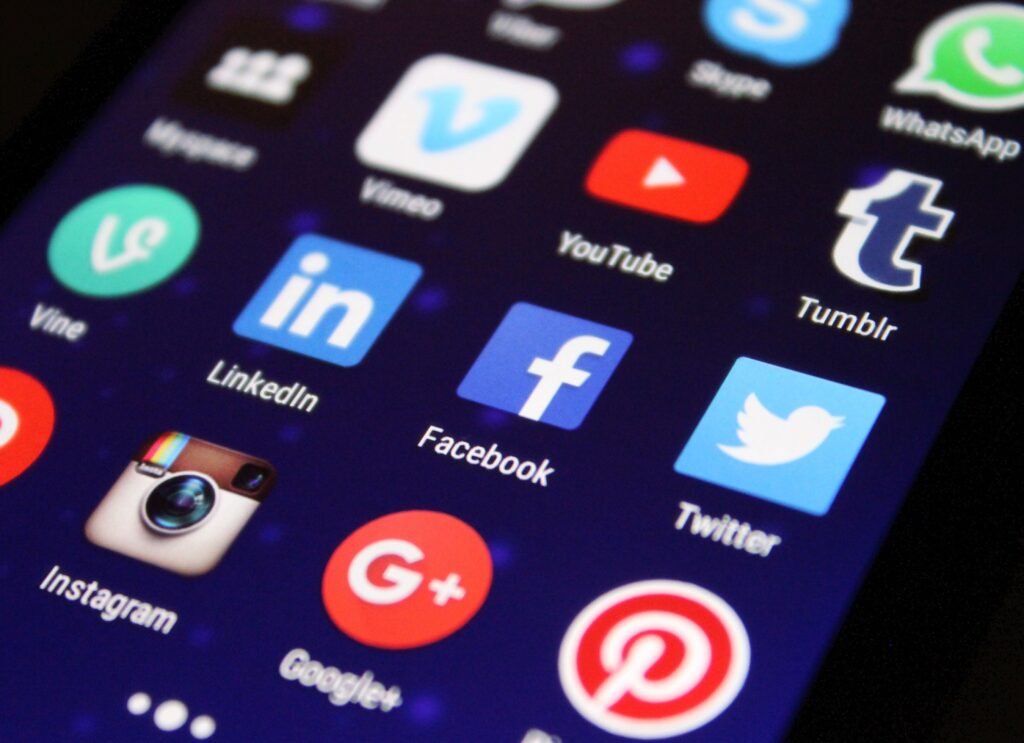
Social media platforms have transformed the way businesses communicate with customers. Platforms such as Instagram, Facebook, LinkedIn, YouTube, and other social networks allow brands to reach audiences directly.
Social media marketing involves creating content, engaging with followers, responding to questions, building communities, and running paid advertising campaigns.
The most successful brands generally avoid treating social media as nothing more than an advertising channel. Instead, they create content that informs, entertains, inspires, or encourages conversation.
Social media is particularly powerful for brand building because customers can interact directly with businesses and share content with their own networks.
4. Email Marketing
Email marketing remains an important digital marketing strategy because it allows businesses to communicate directly with people who have already expressed interest in their brand.
Businesses can use email to send newsletters, product announcements, educational content, special offers, reminders, and personalized recommendations.
Effective email marketing depends on providing value rather than sending excessive promotional messages. Personalization and segmentation can also improve the relevance of campaigns.
For example, an online store can send different emails to first-time visitors, existing customers, and customers who have previously purchased a particular product.

5. Pay-Per-Click Advertising
Pay-per-click, or PPC, advertising allows businesses to display paid advertisements on search engines and other digital platforms. Advertisers generally pay when someone clicks on their advertisement.
PPC can provide businesses with immediate visibility and can be useful when launching a new product, promoting an offer, or targeting highly competitive keywords.
However, successful PPC requires careful planning. Businesses need to select appropriate keywords, create compelling advertisements, optimize landing pages, and monitor campaign performance. Without proper management, advertising budgets can be wasted.

6. Influencer Marketing
Influencer marketing involves collaborating with individuals who have an established audience and influence within a particular niche.
For example, a fitness brand may work with fitness creators to demonstrate its products. Influencer marketing can be effective because audiences often trust creators whose content they regularly follow.
However, businesses should choose influencers based on relevance, credibility, audience quality, and engagement rather than focusing solely on follower count.

Benefits of Digital Marketing
Digital marketing provides several advantages for modern businesses.
Global reach is one of its most obvious benefits. A business can potentially reach customers beyond its local area without opening physical stores in every market.
Cost efficiency is another advantage. Many digital strategies can be started with relatively small budgets, making them accessible to startups and small businesses.
Precise targeting allows businesses to reach audiences based on factors such as interests, demographics, location, behavior, and previous interactions.
Measurable performance makes it possible to evaluate campaigns using data. Businesses can determine which channels generate traffic, leads, and sales.
Finally, digital marketing enables two-way communication. Customers can comment, ask questions, provide feedback, and share their experiences. This interaction can help businesses understand their audiences better.

Challenges of Digital Marketing
Although digital marketing offers many opportunities, it also comes with challenges.
The online environment is highly competitive. Thousands of businesses may be targeting the same customers, making it difficult to stand out.
Digital platforms and algorithms also change frequently. A strategy that works today may become less effective as consumer behavior and platform rules evolve.
Privacy is another important consideration. Businesses must handle customer information responsibly and comply with applicable privacy and data-protection requirements.
Additionally, creating high-quality content consistently requires time, creativity, and resources. Businesses that publish content without a clear strategy may struggle to generate meaningful results.

How to Create an Effective Digital Marketing Strategy
A successful digital marketing campaign begins with a clear understanding of the target audience. Businesses should identify who their customers are, what problems they face, what they want, and where they spend time online.
The next step is to establish measurable goals. These might include increasing website traffic, generating leads, improving brand awareness, or increasing online sales.
Businesses should then select the most appropriate channels. Not every company needs to be active on every platform. A professional services company, for example, may benefit more from SEO, LinkedIn, and email marketing than from trying to maintain a presence on every social network.
Content should be created around audience needs rather than simply around promotional messages. Finally, marketers should regularly analyze performance and adjust their strategies based on data.

The Future of Digital Marketing
Digital marketing will continue to evolve as technology and consumer behavior change. Artificial intelligence, automation, personalization, voice search, video content, and data analytics are already influencing the marketing industry.
Artificial intelligence can help marketers analyze large amounts of information, generate ideas, personalize communications, and automate repetitive tasks. At the same time, human creativity, strategy, authenticity, and judgment remain extremely important.
Consumers are also becoming more selective. They expect businesses to provide genuine value, transparent communication, fast responses, and personalized experiences. Brands that focus solely on aggressive promotion may struggle to maintain customer trust.
The future of digital marketing is therefore likely to be centered on creating meaningful connections rather than simply generating advertisements.
Conclusion
Digital marketing has become an essential part of modern business. From SEO and content marketing to social media, email, PPC, and influencer marketing, businesses have numerous ways to connect with their audiences online.
Its greatest strength lies in its combination of reach, targeting, interaction, and measurability. A small business can reach a highly specific audience, communicate with customers directly, and measure the results of its efforts.
However, success does not come from using every digital channel at once. It comes from understanding the audience, creating valuable content, choosing the right platforms, maintaining consistency, and continuously learning from data.
In an increasingly digital world, businesses that build a thoughtful and customer-focused digital marketing strategy will be better positioned to attract attention, earn trust, build lasting relationships, and achieve sustainable growth.